
The Passport Validity Rule Every Traveller Must Know in 2025

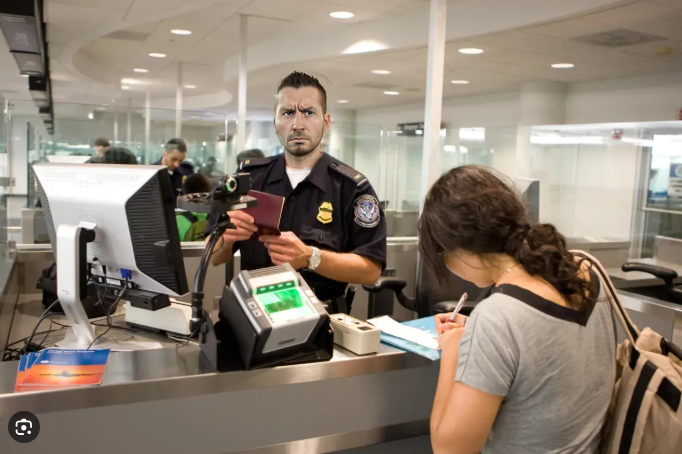
When planning a trip overseas, most travellers check their flight tickets, visas, and baggage allowance. But one detail that often gets overlooked is the passport validity rule. Many people have been shocked to discover that their holiday was over before it began—because their passport didn’t have enough months left before expiry. Even if your passport has not expired, some countries will not let you in.


What Is the Passport Validity Rule?

The passport validity rule refers to how long your passport must remain valid beyond your arrival date. Depending on where you are travelling, this could range from simply being valid for the length of your stay to as much as six months after you arrive.

Airlines and border control officials enforce these rules strictly. In fact, airlines may deny boarding if your passport does not meet the destination country’s requirements, as they risk heavy fines for carrying ineligible passengers.

The Six-Month Rule

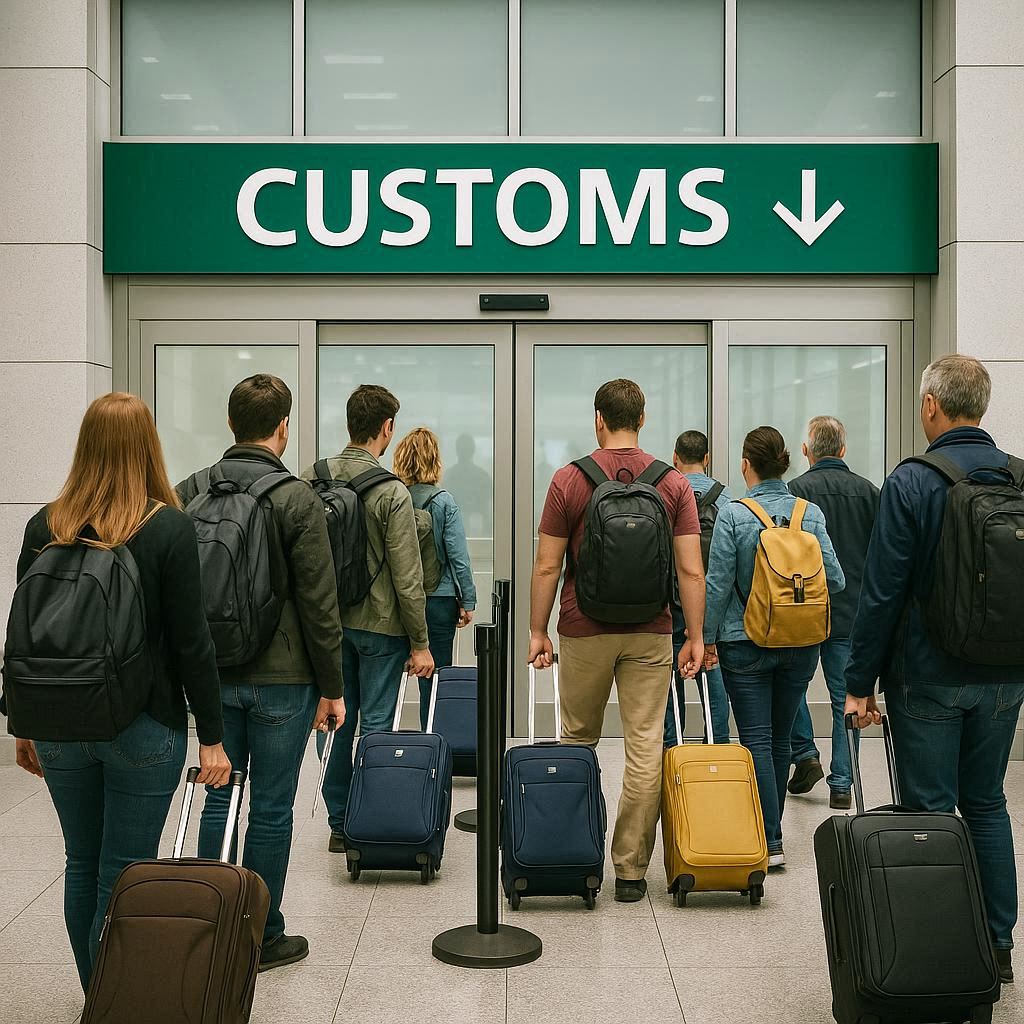
The most common requirement is that passports must be valid for at least six months beyond your intended stay. This rule applies widely across Asia, Africa, the Middle East, and South America.

Examples of countries enforcing the six-month rule include:

  • China
  • Thailand
  • Indonesia (Bali)
  • United Arab Emirates (Dubai, Abu Dhabi)
  • Qatar
  • Kenya
  • Egypt
  • Brazil (recommended six months validity)

The Three-Month Rule

Some destinations require passports to be valid for at least three months after your departure date. This is common in Europe, particularly in the Schengen Zone.

Countries under the three-month rule include:

  • France
  • Germany
  • Spain
  • Italy
  • Other Schengen Area nations

The “Valid for Stay” Rule

A smaller number of countries only require your passport to be valid for the duration of your stay. While this sounds convenient, it’s risky to cut it too close. Renewing early is always a safer choice.

Countries with this rule include:

  • United States (for most visitors, depending on agreements)
  • Canada
  • United Kingdom

Why These Rules Exist

Countries enforce these requirements to:

  • Prevent travellers from overstaying due to unexpected delays
  • Avoid issues with visas that may outlast passport validity
  • Ensure border control efficiency

How to Avoid Problems

  1. Check passport validity before booking flights.
  2. Renew if you have less than 6 months left, even if you’re travelling to a country with less strict rules.
  3. Consult official government travel advisories for the latest entry requirements.
  4. Remember that rules may change, especially due to political or health situations.

Final Thoughts

Your passport is the single most important travel document you carry. Even if it looks valid, a lack of remaining months could stop you from boarding your flight. The best rule of thumb: if your passport has less than six months left, renew it before travelling.

Don’t let your dream trip turn into a nightmare at the boarding gate. Check your passport now and ensure you’re covered.


Disclaimer: JetStreamTraveller.com provides general travel information only and is not affiliated with any airline, government, or border authority. Requirements vary by country and may change at any time. Always verify the latest entry rules with official sources before travelling.

#PassportTips #TravelRequirements #SixMonthRule #TravelPlanning #InternationalTravel #TravelHacks #TravelChecklist #TravelAdvice #TravelSmart #BorderControl #VisaRequirements #TravelTipsAndTricks #Globetrotter #TravelRules

How to Get Free or Affordable Airport Lounge Access in 2025

Title: How to Get Free or Affordable Airport Lounge Access in 2025

For many travelers, airport lounges represent a haven of comfort and convenience compared to the crowded, noisy boarding gates. With complimentary food and drinks, free Wi-Fi, cozy seating, charging stations, and even showers in some locations, lounges can transform the travel experience. The good news is: you don’t always need a first-class ticket to enjoy these perks. In 2025, there are several popular lounge pass and access programs that make airport lounges accessible for free or at a reduced cost.


1. Priority Pass

Priority Pass is one of the most well-known lounge membership programs worldwide. It provides access to over 1,300 airport lounges across more than 600 cities in 148 countries. Membership can be purchased directly, but it’s often bundled with premium credit cards such as the American Express Platinum, Chase Sapphire Reserve, or Citi Prestige. Benefits include:

  • Access regardless of airline or class of ticket
  • Complimentary refreshments, Wi-Fi, and relaxation areas
  • Some memberships include guest access
  • In some airports, members also receive credits for restaurants and spas

2. LoungeKey

LoungeKey offers a similar network, with over 1,100 lounges globally, but access is tied to premium credit cards from Visa and Mastercard. Unlike Priority Pass, you cannot purchase a standalone LoungeKey membership. Instead, it is an included benefit of select credit cards. Benefits include:

  • Access using your eligible credit card, no separate membership card required
  • Global coverage across major airports
  • Amenities include food, drinks, Wi-Fi, and workspaces

3. DragonPass

DragonPass is another global lounge network with more than 1,300 lounges worldwide. It goes beyond lounges, offering discounts and access to airport dining, spa treatments, and even limousine transfers in certain locations. DragonPass is popular in Asia and Europe, and memberships can be purchased directly or come bundled with certain bank cards. Key benefits include:

  • Lounge entry regardless of airline or class
  • Dining discounts at airport restaurants
  • Spa and wellness services at select airports
  • Pre-booking options through their mobile app

4. LoungeReview

With the closure of LoungeBuddy, many travelers turned to LoungeReview as an alternative. LoungeReview is an online platform and app that helps travelers find lounges they are eligible to access. Users can:

  • Search lounges by airport
  • Filter based on airline status, class of service, or credit card benefits
  • Read detailed lounge reviews and amenities lists
  • Discover if pay-per-use options are available

LoungeReview does not provide direct access but is a valuable planning tool to determine eligibility and find the best lounges before you fly.


5. Loungepedia (Launched 2025)

Loungepedia is one of the newest entrants in the lounge access space, launched in early 2025. Currently available on iOS (Android coming soon), Loungepedia is community-powered, meaning users contribute reviews, photos, and lounge details. It allows travelers to:

  • Input their credit cards and loyalty programs to see available lounges
  • Share real-time lounge updates (e.g., crowding levels, food quality)
  • Compare lounges quickly across airports

This app is designed to fill the gap left by LoungeBuddy and has quickly gained popularity with frequent flyers.


Other Ways to Access Lounges

Even without a membership, you can still access lounges through other methods:

  • Day Passes: Many lounges sell access directly at the door or online, often between $20–$60.
  • Airline Status or Premium Tickets: Flying business or first class typically includes lounge access.
  • Promotional Offers: Occasionally, airlines or credit card issuers run promotions offering complimentary passes.

Final Thoughts

Airport lounges are no longer just for the elite few. With programs like Priority Pass, LoungeKey, DragonPass, LoungeReview, and the new Loungepedia app, travelers in 2025 have more opportunities than ever to relax and recharge before their flight. Whether through a bundled credit card perk, a standalone membership, or a simple day pass, access has become flexible and affordable.


Disclaimer: JetStreamTraveller.com is not affiliated with, endorsed by, or associated with Priority Pass, LoungeKey, DragonPass, LoungeReview, Loungepedia, or any other lounge access providers mentioned. All references are for informational purposes only. Please check with official providers for the most up-to-date details.

Navigating TSA Checks with Ease: A Guide to Smooth Airport Security

Welcome aboard, fellow travelers! As you prepare for your upcoming journey, it’s essential to factor in the security screening process conducted by the Transportation Security Administration (TSA) at airports across the globe. While TSA checks may sometimes seem like a hassle, they serve a crucial purpose in ensuring the safety and security of all passengers. In this guide, we’ll delve into how you can best prepare for TSA checks and why these measures are necessary.

1. Arrive Early:

First things first, allow ample time for the TSA screening process. Arriving at the airport at least two hours before your domestic flight and three hours before an international flight gives you sufficient time to navigate through security without feeling rushed. Delays can happen, and you don’t want to miss your flight due to long security lines.

2. Organize Your Belongings:

Simplify the screening process by organizing your belongings beforehand. Place all liquids, gels, and aerosols in a quart-sized plastic bag and ensure they comply with the 3-1-1 rule (3.4 ounces or less per container, all fitting into one quart-sized bag, one bag per passenger). Keep your electronics easily accessible, as you’ll need to remove them from your carry-on bag for separate screening.

3. Wear Travel-Friendly Clothing:

Opt for clothing and footwear that are easy to slip off and put back on. Avoid wearing excessive jewelry or clothing with metal embellishments that may trigger additional screening. Streamlining your attire can expedite the process and minimize the need for further inspection.

4. Familiarize Yourself with Prohibited Items:

Review the list of prohibited items on the TSA website to ensure you’re not carrying any restricted items in your carry-on luggage. Common prohibited items include sharp objects, firearms, explosives, and certain sporting goods. Packing these items in your checked baggage or leaving them at home altogether can prevent delays and ensure a smooth screening experience.

5. Be Prepared for Screening Procedures:

TSA agents may conduct various screening procedures, including walk-through metal detectors, full-body scanners, and pat-downs. Remain cooperative and follow instructions from TSA officers to expedite the process. If you have any medical conditions or special circumstances that may affect screening, inform the TSA officer beforehand for assistance.

Why TSA Checks Are Necessary:

The primary goal of TSA checks is to enhance aviation security and prevent potential threats to aircraft and passengers. These security measures are implemented in response to evolving security threats worldwide, including terrorism and illicit activities. By screening passengers and their belongings, TSA aims to detect and deter prohibited items from being brought onto aircraft, ultimately ensuring the safety and security of air travel for everyone.

In conclusion, TSA checks are an integral part of the air travel experience, designed to uphold the highest standards of safety and security. By following these tips and understanding the necessity of TSA checks, you can navigate through airport security with ease and peace of mind, setting the stage for a smooth and enjoyable journey ahead. Safe travels!

Editor’s note: This article was produced via artificial intelligence and then fine-tuned and verified for accuracy by a member of the www.jetstreamtraveller.com’ editorial team.