The Ultimate Family Getaway to London: Accommodation, Activities, and More

I was asked by a young couple with two small children wanting to travel from L.A. to London, to help plan a trip.

I’d be delighted to help plan a fantastic trip for the young couple with two small children from L.A. to London!

Destination: London, England

Travel Dates: Around June or July

Family Travel Details:

  • Couple’s ages: 25-35
  • Children’s ages: 2-4 years old (young and curious!)
  • Interests: Family-friendly attractions, outdoor activities, foodie adventures, and cultural experiences
  • Budget: Moderate to luxurious ($5,000 – $10,000 for the entire trip)

Step 1: Flights from L.A. to London

To find affordable flights, I recommend flying with a reputable airline that offers competitive pricing, convenient schedules, and family-friendly amenities.

  • Airlines: American Airlines, British Airways, Delta Air Lines, Emirates, or Virgin Atlantic
  • Flight duration: Approximately 11 hours (with layovers)
  • Recommended airlines:
    • American Airlines: Offers non-stop flights from LAX to LHR with a Boeing 787 Dreamliner, featuring comfortable seating and in-flight entertainment.
    • British Airways: Provides premium cabins, including First Class, Business Class, and Economy Plus, with a range of amenities like meal service, blankets, and pillows.
  • Booking tips: Consider booking flights during the off-season (October to April) for better deals. Look for sales or discounts on your preferred airline’s website.

Step 2: Accommodation in London

Finding family-friendly accommodations that cater to young children is crucial. I recommend booking a hotel with amenities like a play area, kids’ club, or babysitting services.

  • Hotel chains: InterContinental, Marriott, Hilton, and Premier Inn
  • Recommended hotels:
    • InterContinental London Park Lane: Offers spacious family rooms, a rooftop pool, and a kids’ program.
    • The Goring Hotel: Features elegant family suites, a play area, and a kid-friendly menu.
    • Park Plaza Westminster Bridge: Boasts modern family rooms, an indoor pool, and a dedicated kids’ club.
  • Booking tips: Look for hotels with free breakfast, Wi-Fi, and easy access to transportation.

Step 3: Transportation in London

London has an excellent public transportation system. For families, I recommend purchasing a Visitor Oyster Card or a contactless payment card for convenient travel.

  • Transportation options:
    • The Tube (London Underground)
    • Bus routes
    • River Thames cruises
    • Taxi services
  • Recommended transportation:
    • The London Pass: Offers discounted entry to attractions, public transportation, and exclusive experiences.
    • Contactless payment cards: Easy to use, convenient, and cost-effective for families.

Step 4: Family-Friendly Attractions in London

London is a treasure trove of family-friendly activities. Here are some top recommendations:

  • The British Museum: Free admission, featuring exhibits on ancient civilizations, cultures, and history.
  • The Natural History Museum: Explore the wonders of nature, including dinosaur fossils and interactive displays.
  • The London Zoo: Home to over 600 species, with a petting zoo and outdoor play areas.
  • Hyde Park: A picturesque green space for picnics, boating, or simply enjoying the outdoors.

Step 5: Foodie Adventures in London

London is a foodie paradise! Some top recommendations for families:

  • The Gingerbread Cafe: Whimsical treats and sweet delights.
  • Dishoom: Delicious Indian cuisine with multiple locations throughout the city.
  • Honest Burgers: Juicy burgers and shakes in a fun atmosphere.
  • Pret a Manger: Quick, affordable meals with healthy options.

Step 6: Cultural Experiences in London

London offers an incredible array of cultural experiences for families. Here are some highlights:

  • The Tower of London: Discover the rich history of this iconic fortress, featuring the Crown Jewels and the Yeoman Warders.
  • Westminster Abbey: Explore the stunning architecture, stained glass, and historical significance of this historic church.
  • The National Gallery: Enjoy free admission to an impressive collection of Western European art, including works by Van Gogh, Monet, and Leonardo da Vinci.

Step 7: Health and Safety

As a responsible travel agent, I want to ensure the family’s health and safety. Here are some essential tips:

  • Vaccinations: Consult your doctor about recommended vaccinations for travel to the UK.
  • Medications: Pack any necessary medications or prescriptions, including any specific needs for children.
  • Travel insurance: Consider purchasing comprehensive travel insurance that covers medical emergencies, trip cancellations, and delays.

Step 8: Budget Breakdown

Here’s a rough estimate of costs for the entire trip:

  • Flights from L.A. to London: $1,500 – $3,000
  • Accommodation (5 nights): $800 – $2,000
  • Transportation (Visitor Oyster Card or contactless payment card): $100 – $200
  • Food and drink: $500 – $1,000
  • Attractions and activities: $300 – $600
  • Miscellaneous expenses: $200 – $400

Total estimated cost for the 5-day trip: $4,000 – $8,600

Step 9: Resources and References

For further planning and research, I recommend checking out these resources:

  • Lonely Planet London: Comprehensive guidebook covering all aspects of travel in London.
  • Visit London: Official tourism website offering insider tips and attractions.
  • London Pass: Discounted entry to top attractions and experiences.
  • National Trust: Non-profit organization providing access to historic sites, gardens, and parks.

Conclusion:

Planning a trip from L.A. to London with two small children requires attention to detail, but I’ve provided you with all the necessary information for an unforgettable family adventure! With my expert guidance, you’ll create lifelong memories in this incredible city.

Disclaimer: The information provided in this article is for general guidance purposes only and should not be considered as professional advice. The prices and estimates mentioned in the article may be subject to change due to various market factors, such as exchange rates and currency fluctuations.

The author of this blog post has no affiliation with any of the websites or businesses mentioned, including but not limited to American Airlines, British Airways, InterContinental London Park Lane, The Goring Hotel, Park Plaza Westminster Bridge, Lonely Planet, Visit London, London Pass, National Trust, etc. Any opinions expressed in this article are based on general knowledge and research.

By using the resources and recommendations provided in this article, readers acknowledge that they have made their own informed decisions and assume all risks associated with traveling to London with young children. The author is not responsible for any losses or damages incurred as a result of relying on the information presented in this article.

Title: Rick Steves Pocket London Author: Rick Steves Publication Date: June 6, 2023 Format: Paperback Folded Map: Included

Book Summary:

This pocket-sized guidebook is a concise and practical travel companion for visitors to London. Written by renowned travel expert Rick Steves, the book provides insider tips and recommendations for exploring the city’s top attractions, neighborhoods, and hidden gems.

The book covers over 200 pages of content, including:

  • A comprehensive map of London with key landmarks and points of interest
  • Detailed descriptions of major museums, galleries, and historical sites
  • Tips on how to navigate the city using public transportation
  • Recommendations for restaurants, cafes, and pubs serving traditional British cuisine
  • Insider advice on shopping, markets, and street food
  • Practical information on accommodations, tours, and activities

Introduction:

Rick Steves is a well-known American author, travel expert, and TV personality who has been leading group tours in Europe since the 1970s. He’s known for his witty humor, practical advice, and insider knowledge of destinations around the world.

In this book, Steves shares his expertise on exploring London, from iconic landmarks like Buckingham Palace and the Tower of London to smaller, off-the-beaten-path attractions that reveal a more authentic side of the city.

Key Features:

  • Comprehensive map: A foldable map of London is included at the beginning of the book, providing an overview of the city’s layout and key points of interest.
  • Practical tips: Steves offers numerous practical tips for navigating the city, including advice on public transportation, shopping, and dining.
  • Insider secrets: The author shares insider knowledge on hidden gems, local events, and authentic experiences that reveal a more genuine side of London.
  • Recommendations: Steves provides recommendations for accommodations, tours, and activities, from classic museums to street food markets.

Target Audience:

This book is designed for independent travelers who want to explore London without breaking the bank. It’s perfect for:

  • First-time visitors to London
  • Travelers on a budget
  • Solo travelers or couples looking for practical advice
  • Families with older children (8+ years)

Language:

The book is written in clear, concise English, making it accessible to readers from around the world.

Overall, “Rick Steves Pocket London” is a reliable and informative guidebook that provides practical advice and insider tips for exploring one of the world’s greatest cities.

Buy the book here now while stocks last.

Exchange Rates for International Travel: A Guide for Americans

As a bank manager, I’ve seen many customers get caught off guard by unfavorable exchange rates when traveling abroad from the USA. However, with some planning and knowledge, you can minimize these fees and make your international trip more affordable.

In this article, we’ll explore the best methods for exchanging US dollars to other denominations while traveling overseas.

Why Exchange Rates Matter

When traveling internationally, it’s essential to understand how exchange rates work. The exchange rate is the value of one currency compared to another. For example, if you’re traveling to Japan and the current exchange rate is 1 USD = 110 JPY, you’ll get more Japanese yen for your US dollars.

Methods for Exchanging US Dollars

There are several ways to exchange US dollars, each with its pros and cons. Here are some of the most popular options:

  1. ATMs (Automated Teller Machines): Withdrawing cash from an ATM abroad can be a convenient option. However, be aware that you’ll likely face higher fees and less favorable exchange rates compared to other methods.
  2. Exchange Stores: You can also exchange your US dollars at local currency exchange stores or banks in the country you’re visiting. Be cautious of high fees and poor exchange rates.
  3. Online Currency Exchange Services: Companies like Western Union and MoneyGram offer online currency exchange services, which can provide better exchange rates than traditional methods.
  4. Using Your Credit Card: If your credit card issuer has a foreign exchange rate that’s more favorable than the ATM or exchange store rates, using your card for purchases can be a cost-effective option.

Best Practices

To get the best exchange rates, follow these tips:

  • Check the exchange rates before you travel and consider transferring funds online to avoid last-minute fees.
  • Use ATMs in countries with lower fees and more favorable exchange rates.
  • Avoid exchanging large amounts of cash at airports or hotels, as fees tend to be higher.
  • Consider using a credit card with no foreign transaction fees.

Example: Exchanging US Dollars for Euros

Let’s say you’re traveling to Europe and need to exchange $1,000 USD for euros. Here are the estimated fees and exchange rates:

  • ATM in the USA: 3% fee + unfavorable exchange rate (e.g., 1 USD = 0.85 EUR)
  • Exchange store in Europe: 5% fee + unfavorable exchange rate
  • Online currency exchange service: 2% fee + favorable exchange rate (e.g., 1 USD = 0.88 EUR)
  • Credit card with no foreign transaction fees: Favorable exchange rate

In this example, using an online currency exchange service or a credit card with no foreign transaction fees would result in the best exchange rate and lowest fees.

Conclusion

Exchanging US dollars to other denominations while traveling abroad requires some planning and research. By understanding how exchange rates work and using the right methods, you can minimize fees and make your international trip more affordable. Always check current exchange rates before traveling, and consider transferring funds online or using a credit card with no foreign transaction fees.

References:

As a bank manager, I hope this article has provided you with the knowledge and tools needed to make informed decisions when exchanging US dollars abroad.

Disclaimer: The information provided in this article is for general informational purposes only and should not be considered as investment advice or a recommendation to exchange currencies. Exchange rates, fees, and terms are subject to change and may vary depending on the provider and market conditions. The author and publisher of this article have no affiliation with any of the mentioned websites, exchange services, or financial institutions. Prices are subject to change due to fluctuations in the currency markets, and it’s always best to check current rates and fees before making any transactions.

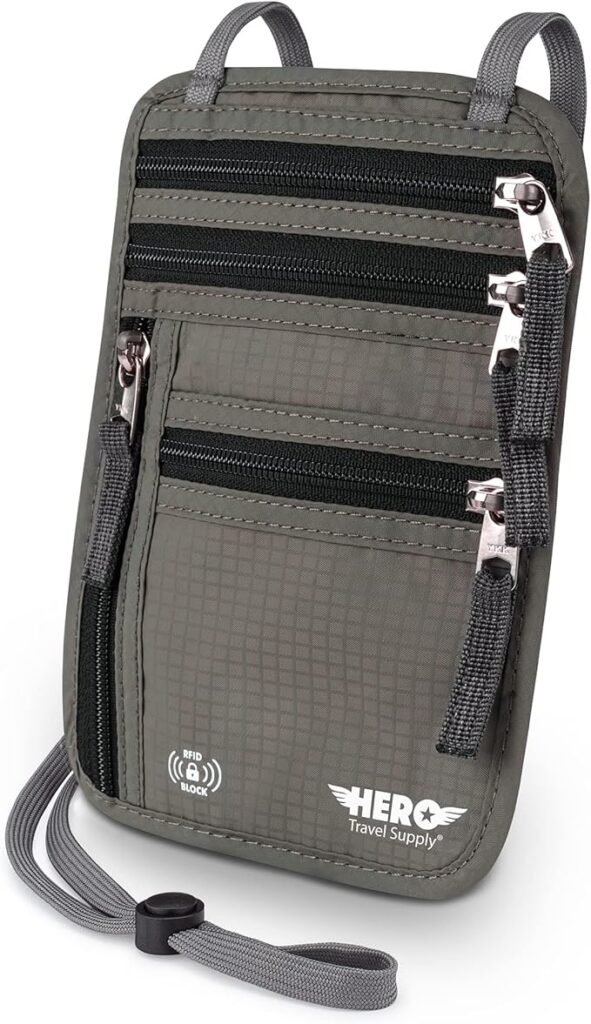
HERO Neck Wallet, RFID Blocking Passport Holder, Easy to Conceal Travel Pouch

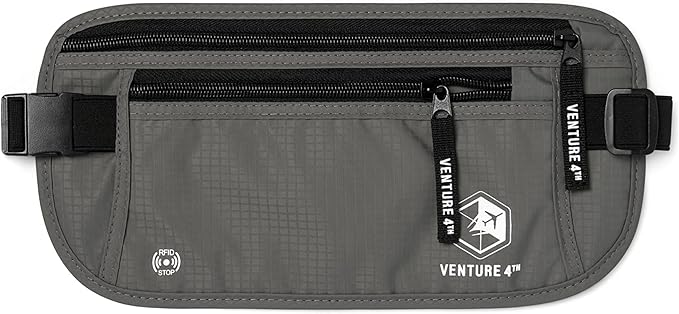
VENTURE 4TH Travel Money Belt – RFID Blocking (Gray)

Comprehensive Guide for First-Time Travelers: Essential Tips and Tricks

Preparing for your first journey can feel daunting, but with the right preparation, you can embark on your adventure with confidence. Whether you’re planning a quick getaway or an extended backpacking trip, our comprehensive guide provides crucial insights to help you plan effectively, pack smartly, and navigate your travels safely and enjoyably.

Pre-Travel Planning Tips for First-Time Travelers

1. Invest in Quality Equipment

Your comfort and convenience hinge significantly on your gear. Prioritize a well-fitted backpack and durable, comfortable footwear. These investments will pay off as you navigate various terrains and climates.

2. Secure Travel Insurance

While travel insurance might seem like an unnecessary expense, it’s crucial for unexpected events such as medical emergencies, trip cancellations, or lost belongings. Always opt for comprehensive coverage to ensure peace of mind.

3. Budget Wisely

A meticulous budget is essential. Calculate your expected expenses and double that amount to cover unforeseen costs. This strategy ensures you’re financially prepared for any situation.

4. Research Safety Tips

Stay informed about safety practices relevant to your destination. Familiarize yourself with local laws, common scams, and areas to avoid. This knowledge helps you navigate new environments confidently and safely.

5. Notify Your Bank

Inform your bank of your travel plans to prevent your account from being flagged for suspicious activity. Additionally, inquire about foreign transaction fees and consider banks that offer lower fees or reimbursements, such as Charles Schwab.

6. Consider Budget-Friendly Accommodation Options

Exploring tent camping or participating in work exchange programs can significantly reduce accommodation costs. Platforms like Worldpackers offer unique cultural experiences and extended stays through volunteering.

7. Travel During Off-Peak Seasons

Off-season travel can provide substantial savings and a more authentic experience. Evaluate the trade-offs, such as weather conditions or limited activities, to decide if this option suits your itinerary.

8. Learn About Your Destination

Understanding local customs, tipping practices, acceptable attire, and weather conditions enhances your travel experience. Additionally, knowing about prevalent scams can help you avoid potential pitfalls.

Smart Packing Tips for First-Time Travelers

9. Pack Light

Packing light is essential for mobility and convenience. Test your packed backpack by wearing it during daily activities to gauge its weight and comfort, adjusting as necessary.

10. Carry Essential Medicines

A well-stocked first-aid kit is non-negotiable. Include medications, bandages, antibiotic ointments, and any prescription drugs you’ll need, ensuring you have enough for the entire trip.

11. Bring a Journal

A journal can serve as a keepsake of your travels and a handy tool for jotting down notes or reminders. Even if you’re not an avid writer, it’s useful to have paper and a pen available.

12. Keep Copies of Important Documents

Duplicate your passport, visas, and other critical documents. Store both hard copies and digital versions to safeguard against loss or theft.

13. Include Random Yet Useful Items

Items like a microfiber towel, earplugs, toilet paper, duct tape, and a water filter can be unexpectedly invaluable. Additionally, pack a comfort item to combat homesickness on longer trips.

14. Opt for Synthetic and Layered Clothing

Synthetic materials are lightweight and quick-drying, making them ideal for travel. Layering allows for adaptability to varying temperatures without overpacking.

15. Waterproof Your Backpack

Line your backpack with a large waterproof bag to protect its contents, ensuring your gear stays dry regardless of weather conditions.

16. Carry a Battery Pack

A portable charger can be a lifesaver if your phone dies unexpectedly. This ensures you have access to maps, communication, and other essential functions at all times.

17. Write Down Your Accommodation Address

In each new city, note your accommodation’s address. This can be incredibly helpful if you lose your way or lack access to GPS.

Practical Tips for the Trip

18. Wear Bulky Items While Traveling

To save space in your backpack, wear your heaviest clothing and shoes during transit. This approach maximizes packing efficiency.

19. Distribute Your Money

Avoid keeping all your money in one place. Use a money belt and distribute cash across different bags and secure spots to minimize loss risk.

20. Stay in Hostels with Free Breakfast or Cook Your Meals

Save money by choosing hostels offering complimentary breakfast or cooking facilities. This also allows you to control your diet and enjoy local market produce.

21. Engage with Locals

Locals provide valuable insights into safe areas, hidden gems, and cultural nuances. Building relationships with them enriches your travel experience.

22. Maintain Health and Well-Being

Prioritize your health by eating well, staying hydrated, and resting adequately. Carry snacks for energy, especially on travel-intensive days.

23. Be Flexible

Leave room in your schedule for spontaneous activities or rest. Flexibility enhances enjoyment and helps you adapt to unforeseen changes.

24. Utilize Free Wi-Fi

Identify places with free Wi-Fi to stay connected without incurring high data charges. Download offline maps to navigate without internet access.

25. Check in with Family and Friends

Share your itinerary with trusted individuals and establish regular check-ins. This practice ensures someone knows your whereabouts, enhancing your safety.

Conclusion

These detailed tips equip first-time travelers with the knowledge and strategies needed for a successful and enjoyable journey. Embrace the adventure with confidence, knowing you’re well-prepared for the exciting experiences ahead. Safe travels!

We hope this guide empowers you to embark on your first travel adventure with ease and excitement. Bon voyage!

Editor’s note: This article was produced via artificial intelligence and then fine-tuned and verified for accuracy by a member of the www.jetstreamtraveller.com’ editorial team.

You can download this article as a PDF by clicking here.